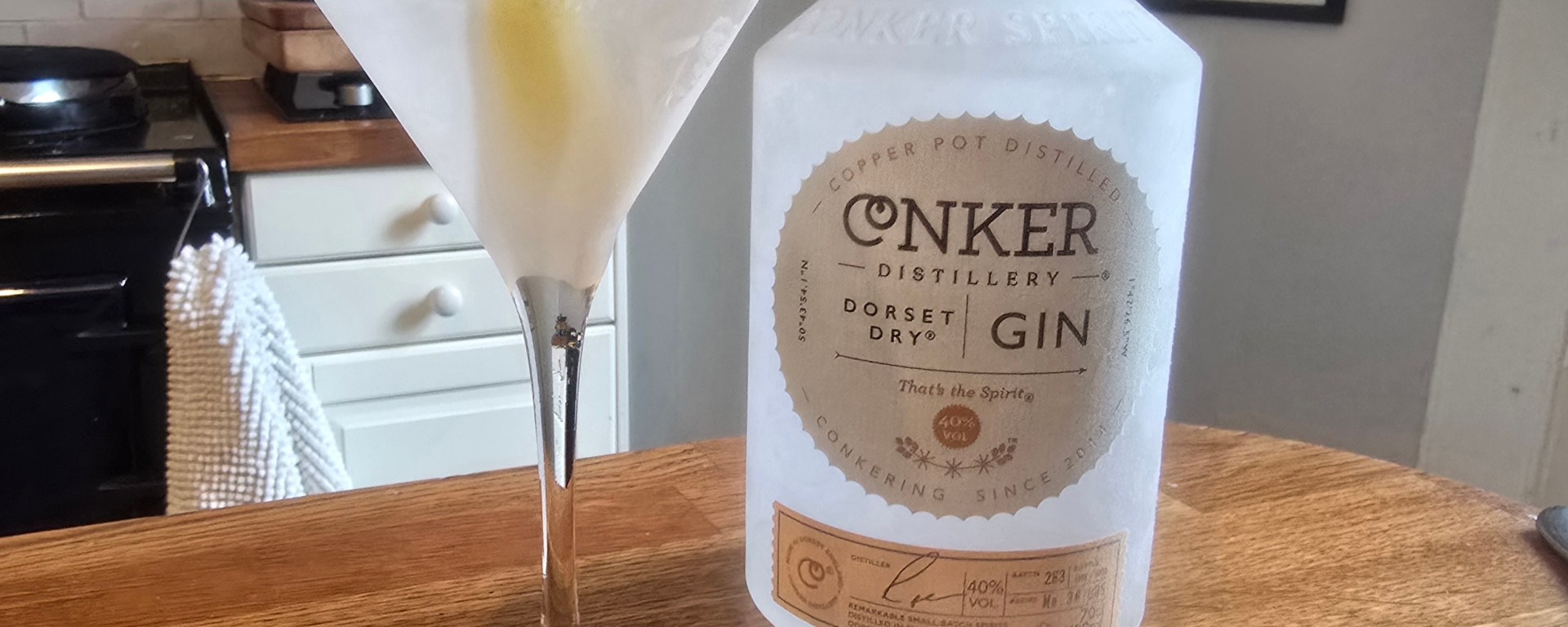
This is a beautiful gin, refreshingly dry, with delicate botanicals, some of which are foraged from one of the nicest parts of the UK.
Dorset is a place close to my heart. The English side of my family originally comes from the Dorset village of Cerne Abbas.
While England has a beautiful ancient heritage of evocative symbolism carved into the prominent sides of some of it’s pleasant chalk hills (horses in particular – the white horse carving in Uffington is sublime), you might know Cerne Abbas from its own variation on the traditional geoglyph, remarkable for being somewhat… brazen in his attire.
But I digress from the gin.
My aunty from Bournemouth was visiting us on the Isle of Mull for a week and brought a bottle of Conker gin for us to try out. I put it straight in the freezer for us to enjoy after a day of roving around the island.
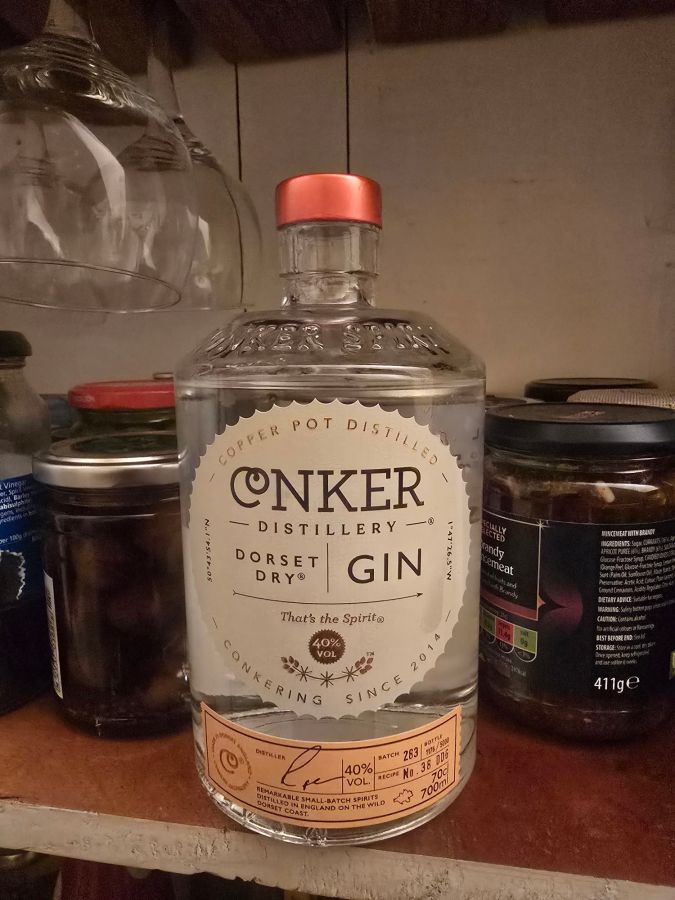
The first thing you notice is the nice branding of the bottle. It has a pleasing bevilled shape and uncluttered, unpretentious fonts, design and colouring. Even the circular label evokes the spikey exterior of a conker.
And for those who don’t know, a conker is an informal term for the seed of the horse chestnut tree.
Conkers is also the name of a traditional children’s game where you ‘whack’ the seeds against one another on a string to see whose breaks first. This adds to the wholesome, old world and nostalgic branding of the gin.
The word conker may also have the colloquial meaning of “to knock out” which serves as a reminder not to break the two martini rule or you too, might end up “conker’d” as others may have been before.
I also note that the lid is solid and came off easily, even when it had been in the freezer all day. This is something that even big brands fail to get this right. The colour of the lid also harks back to the production process of this spirit.
The gin is made in a copper still, which perhaps is why it reminded me of the Hebridean Botanist gin, but the comparison goes further. Both of these gins adhere to a lifestyle choice very dear to me: foraging.
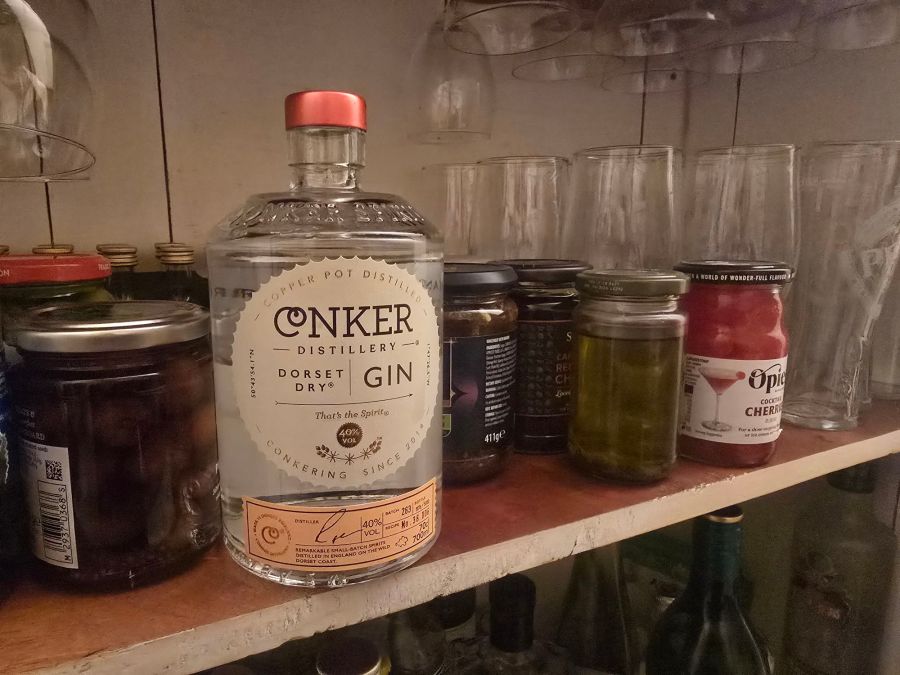
As well as reassuringly standard gin botanicals like juniper, coriander seed, angelica root, cassia bark, orris root and citrus (lime peel and intense Seville orange peel), the gin has additional, locally gathered infusions to give it a unique Dorsetian flavour profile.
These include elderberries, which will add a rich but tart sparring partner to the Seville orange no doubt. Also included are soft, subtly grassy-tasting gorse flowers, as well as the evocative savoury notes of marsh samphire.
According to the distillers (and I recommend their blog journal by the way), they initially undertook extensive testing of the different flavours using supermarket vodka to get the balance right. The hard work and perseverance paid off.
The botanicals are beautifully balanced with no sense of overcrowding or dominance. As I mentioned in the opening, the gin also has a dry flavour profile.
So many modern gins have gone down the route of sweetness or using excessive aniseed flavours to mask their poor choices but conker gin is sophisticated in its subtleties, honest in its quality, but certainly not understated in it’s palette. It’s a nice, slow sip.
It makes a really refreshing, savoury gin and tonic as well. Use good tonic, dry and not artificially sweetened.
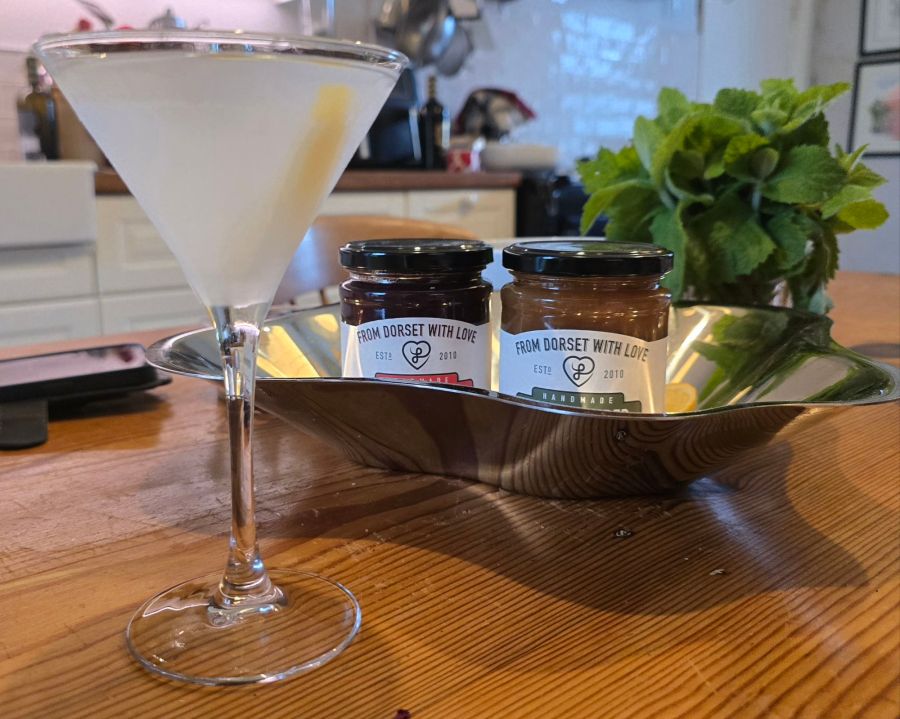
My aunty also brought some delicious jars of delectables on her trip, so we enjoyed the martini with “from Dorset with love” chutneys served on oatcakes.
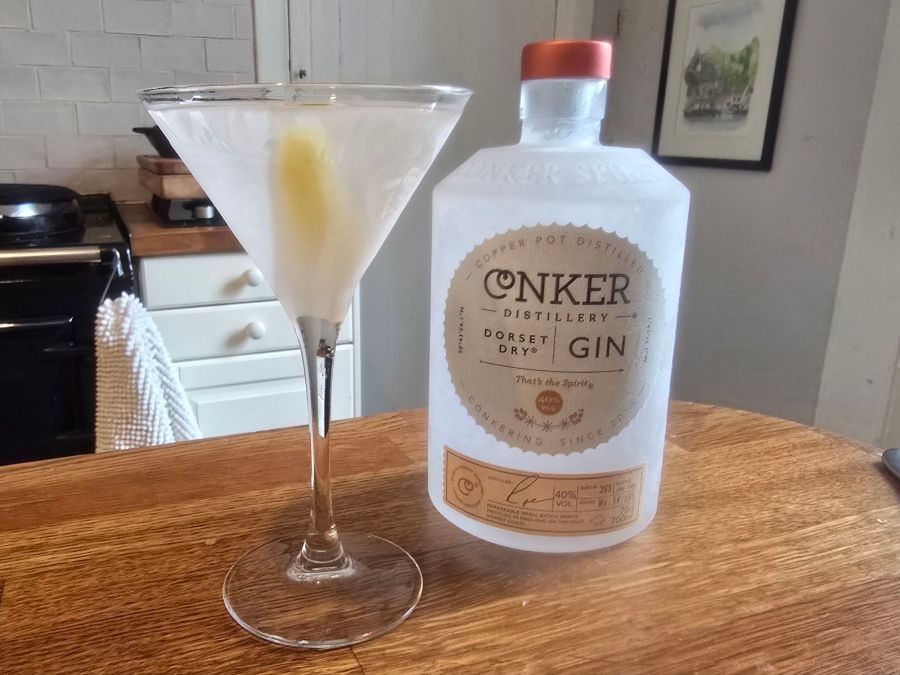
All in all, a lovely gin, from a lovely part of the world.
Thank you for the beautiful gift Aunty S! 😘

