“It doesn’t cost money to light a room”
Poul Henningsen (1894 -1967), or simply PH, Danish modernist in his book ‘On Light’
Atmosphere is an important element of a martini. Given that one of the best times to drink one is the so-called Violet Hour (that dusky, fleeting sliver of time between daylight and nighttime) it’s inevitable that any aspect of martini lighting will have to live up to the natural ambience of a good sunset.
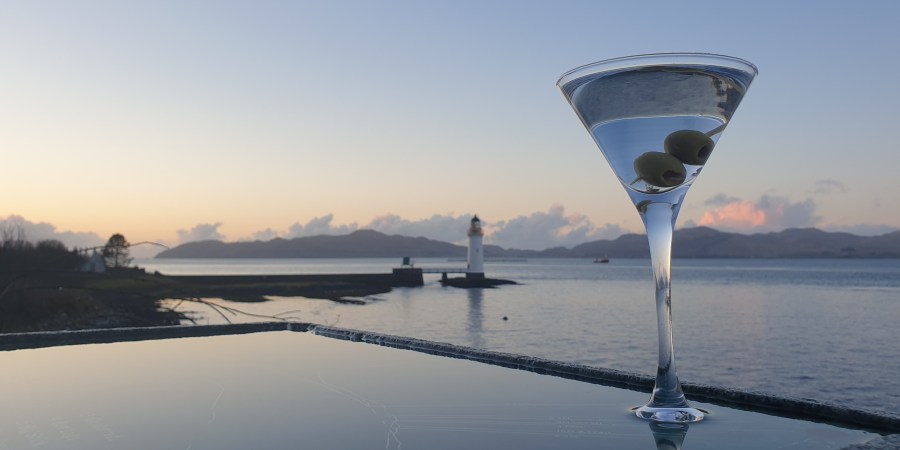
This is a tall order.
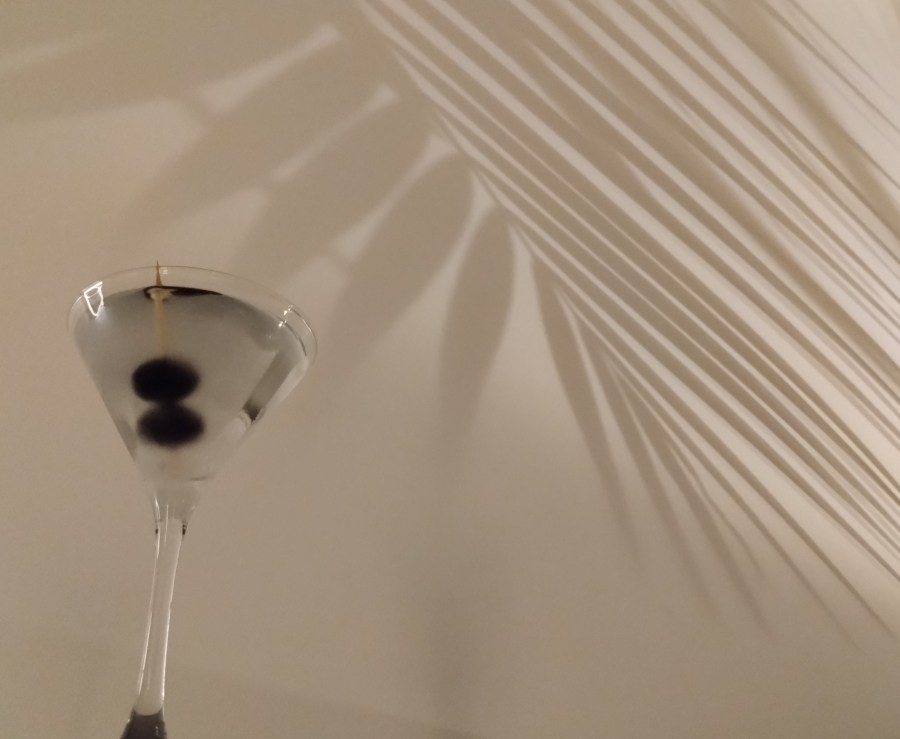
Nonetheless, I’ve set something up in my home which has had a lot of comments so I thought I would share it here. It essentially involves using plants to cast a shadow over walls and the ceiling.
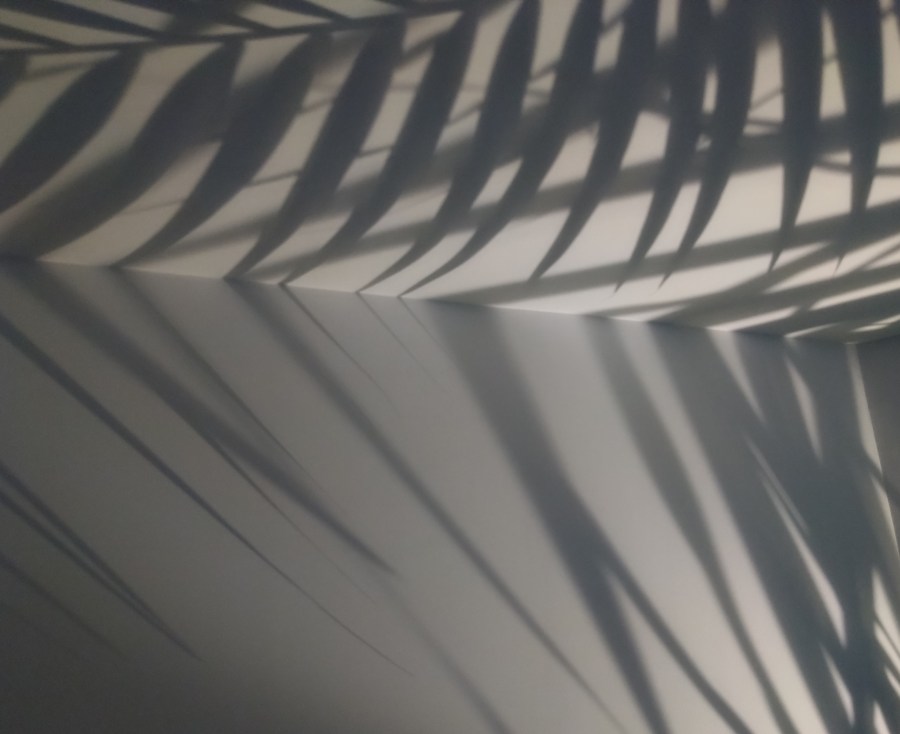
This suggestion is almost entirely the product of IKEA and therefore pretty affordable. Martini Socialism calls for everyone to have the chance to savour this beautiful drink. Maybe you could splash out on even more complex or expensive solutions or specialist lamps but this is a more pragmatic but still pleasant suggestion, especially if you aren’t fortunate enough to have a room with a view of a nice sunset to imbibe in.
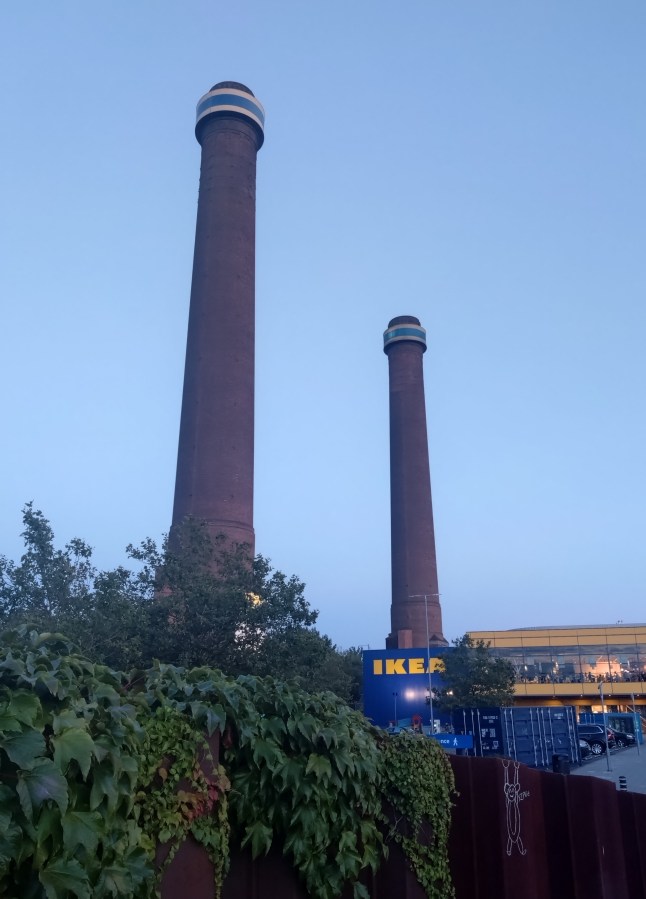
I took a trip to the Croydon IKEA during the violet hour on a warm September evening. It is an outpost of Swedish goods in South London.
The Swedish connection to this post doesn’t end there either.

For old times’ sake
My martini lighting was inspired by the iconic backdrops of the booze-filled classic film Casablanca, starring Humphrey Bogart, the hilarious Claude Rains and the timelessly wonderful Swedish actress Ingrid Bergman, pictured above.
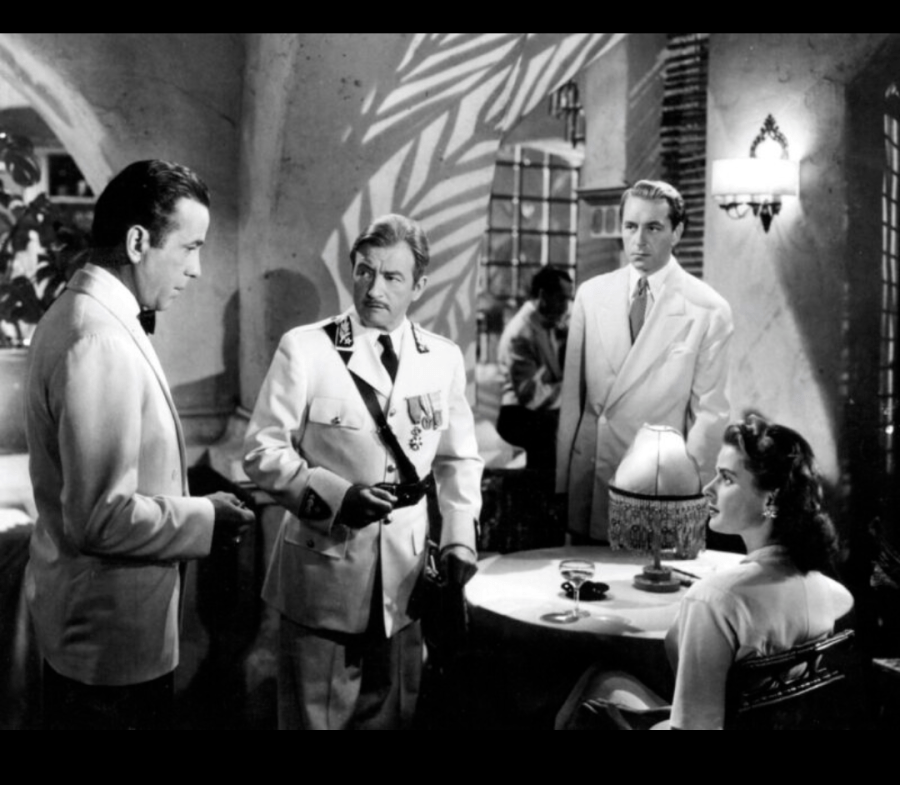
Also starring in a series of supporting roles are the exotic plants adorning the background of Rick’s Café Américain.
I wanted to recreate something akin to this dramatic shadow casting over the walls and ceilings in my own home to at least partially evoke the romantic stunningness of Rick’s.
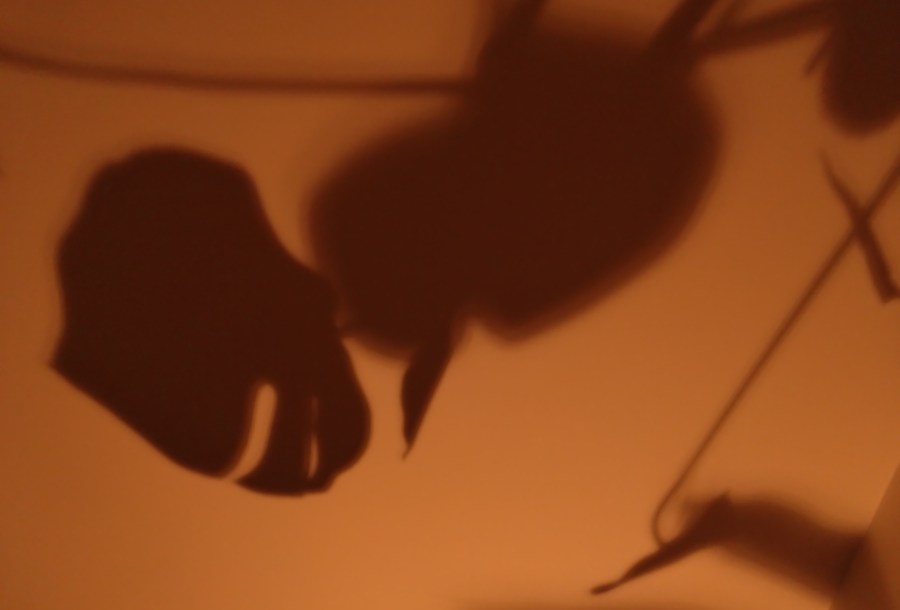
How to do it easily
I simply took two desk lamps with flexible arms and two palms.
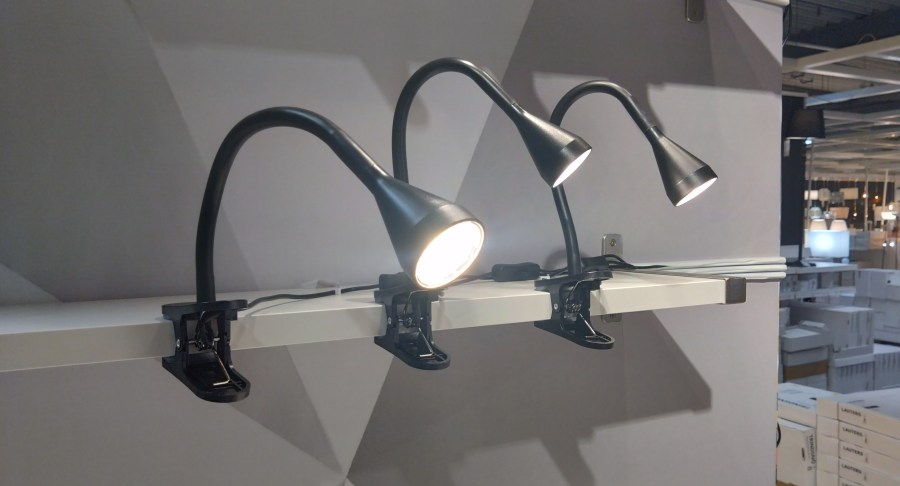
For the desk lamps I chose the LED Nävlinge models. They are black and small so fairly indiscreet. You don’t want them to stand out and they ideally shouldn’t be within the line of sight of anyone drinking a martini or they will be subjected to a glare.
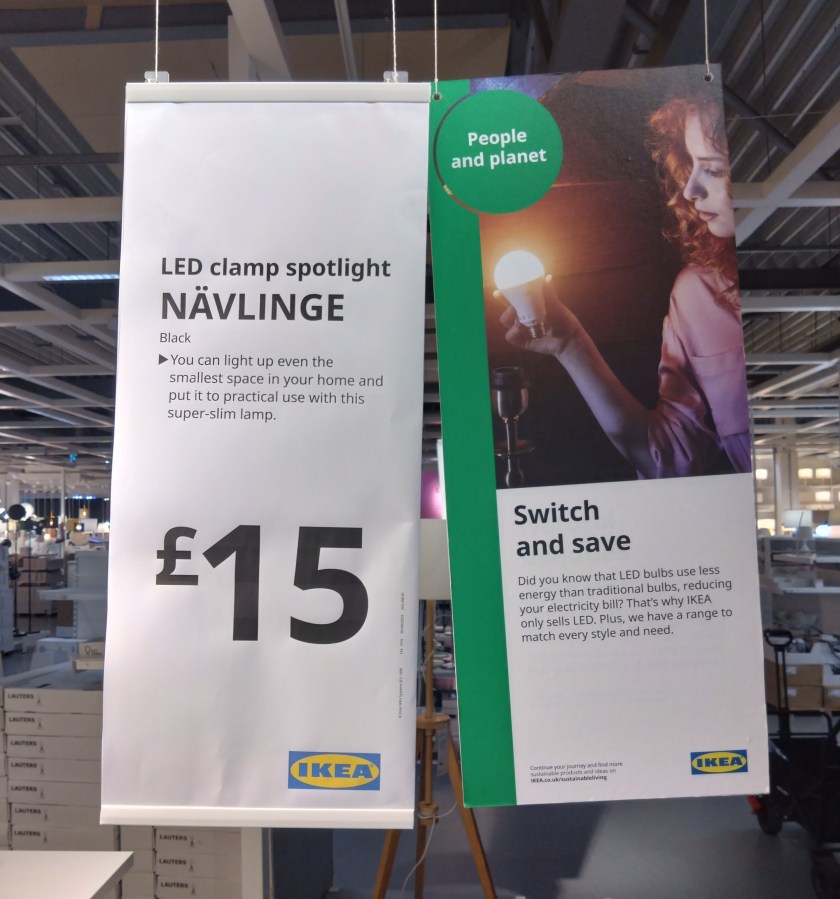
The ones on show here have clamps but that might not work for your home.

Ones with a solid base are also available, although they are slightly more expensive.
The Plants
One of the palms I used is the exotic Kentia Palm (Howea forsteriana). The plant is endemic to Lord Howe island off the east coast of Australia.
Fit for Royalty
It can grow to great heights and was known as Queen Victoria’s favourite. They adorned many of her properties and were even displayed at her funeral. I recommend this Guardian article by the excellent James Wong (aka the the Botany Geek) on the impact of the plant on twentieth century culture and architecture.
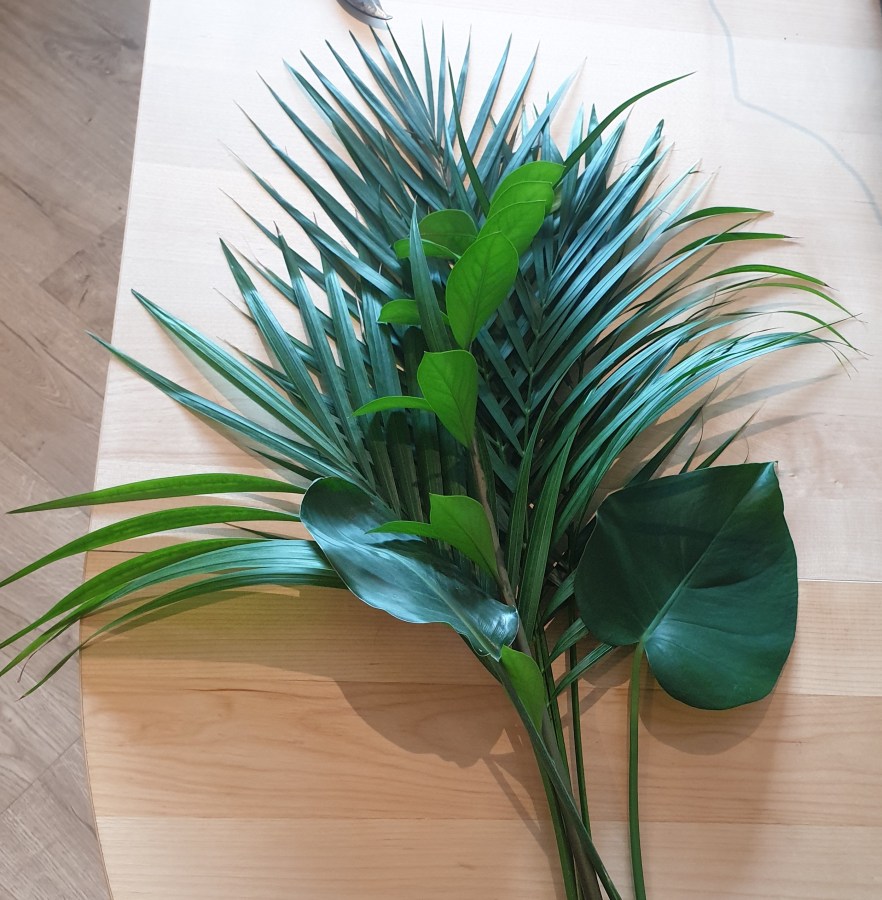
When the time came, I felt that it was the right thing to leave some cuttings of my own Kentia Palm (and other plants) for her Majesty, Queen Elizabeth II at her passing in 2022. Given how slow-growing a Kentia Palm can be in a houseplant environment, it felt like a fitting sacrifice.
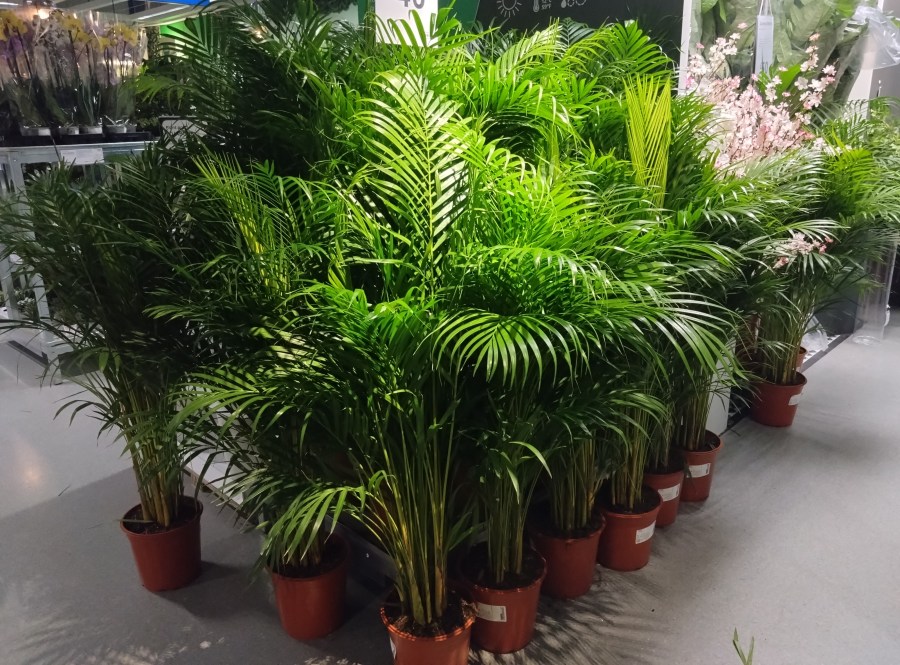
The other palm I’ve chosen is more affordable and also more abundant. It is the graceful and beautifully termed Butterfly Palm, also known as the Areca Palm or Dypsis lutescens.
A native of Madagascar, it likes a fair amount of light and plenty of water. It’s also pretty fast growing. Ideal.
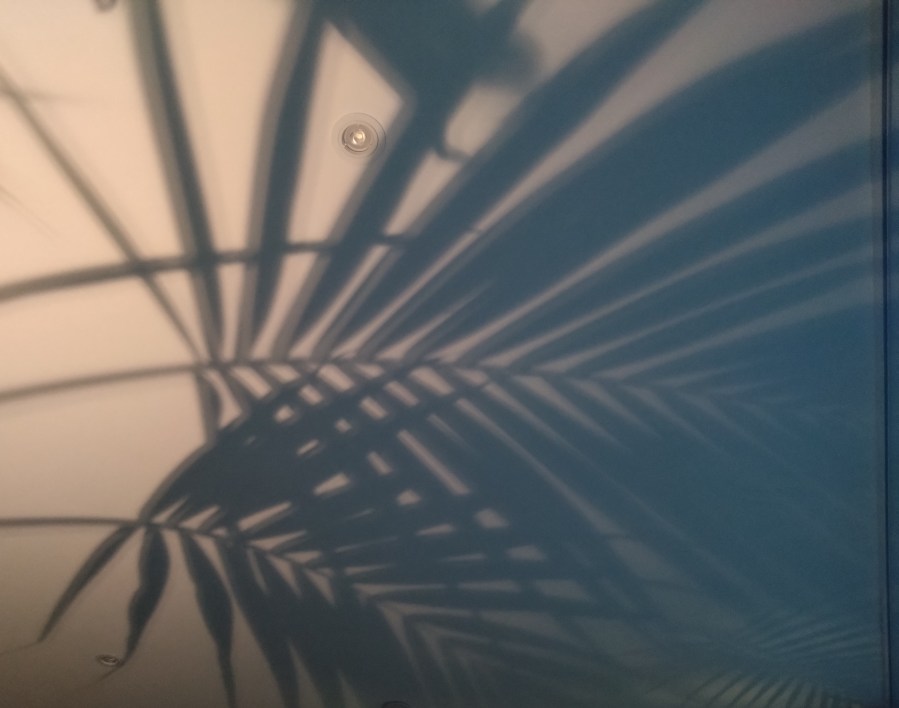
Setting up
You will need one lamp per palm, and you can have as many of them set up as you want. One might be enough; I have two; some venues might like several.
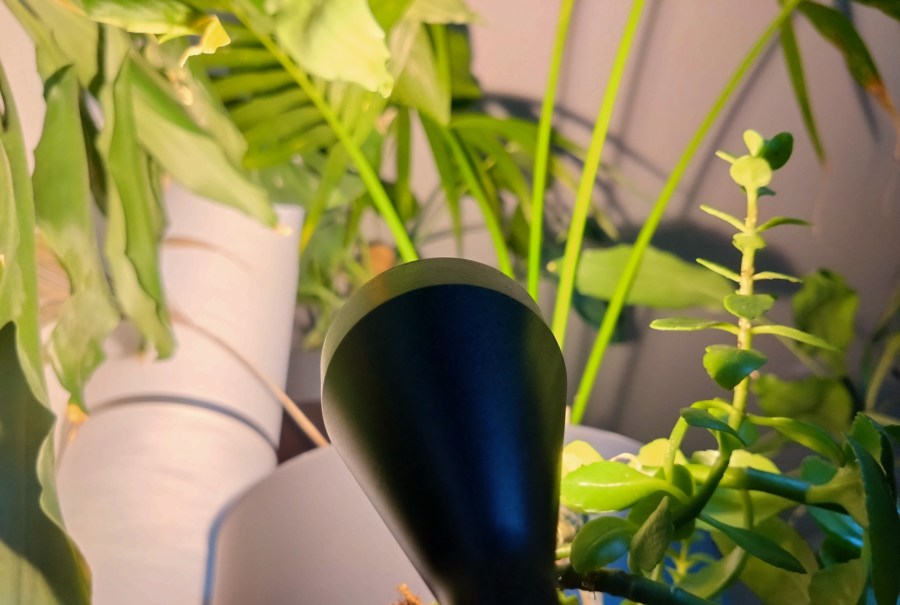
Shine the lamp in the direction that you want the shadow to be cast.
Line up a palm in front of it.
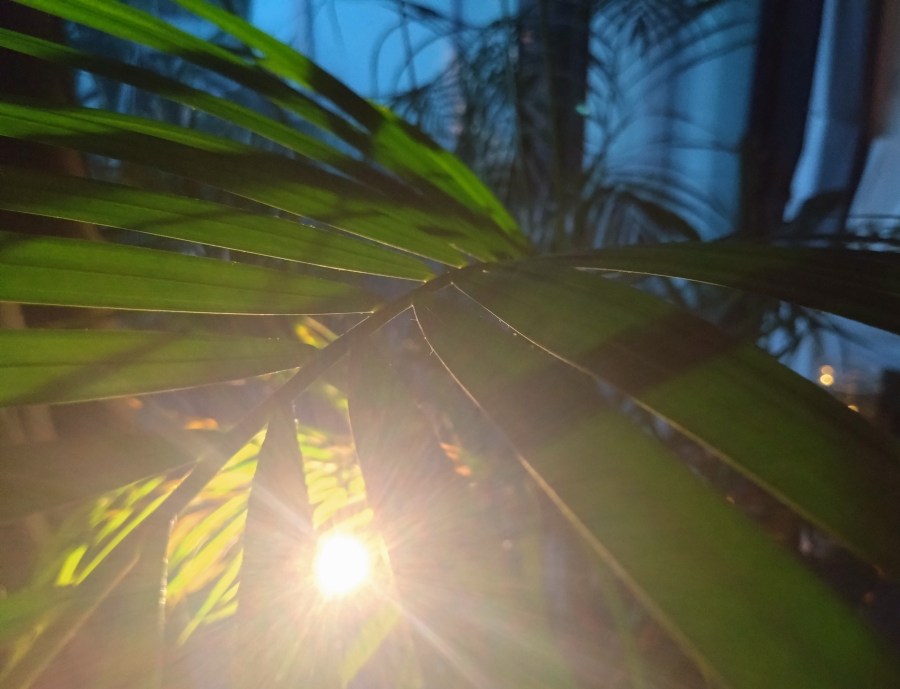
Place a further object of some form in front of the lamp so it doesn’t shine directly into you or your guests eyes when it is on. You should never be able to see the light bulb. However, it shouldn’t block the light shining onto and beyond the palm. This is a game of angles.
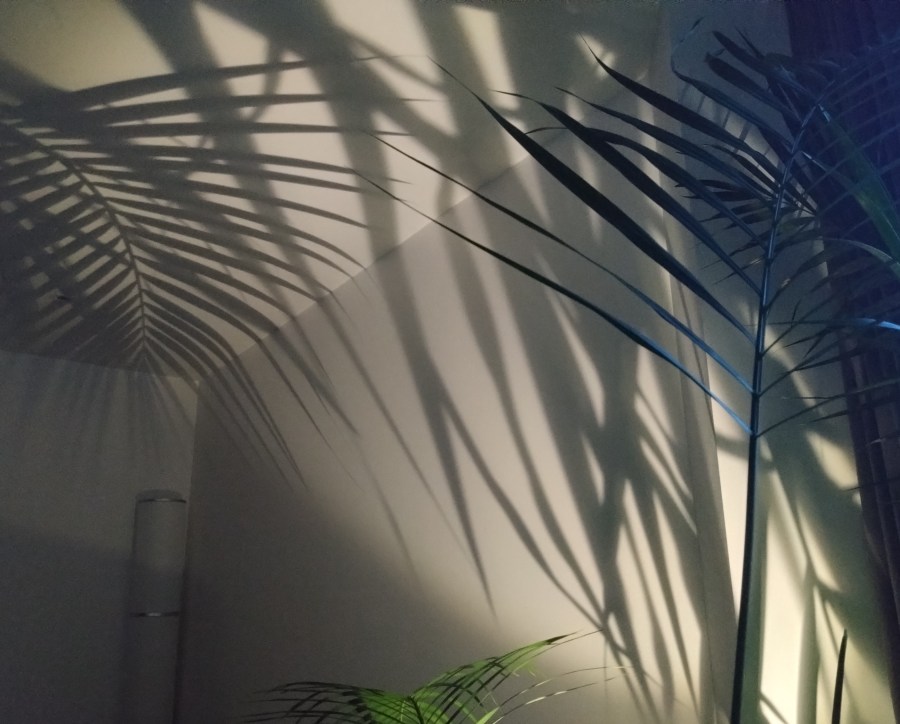
One of my lamp-palm combinations sits behind the television. The television shields the glare from anyone having a martini around my dinner table.
With the other lamp, the light is shielded by the planter of the palm.
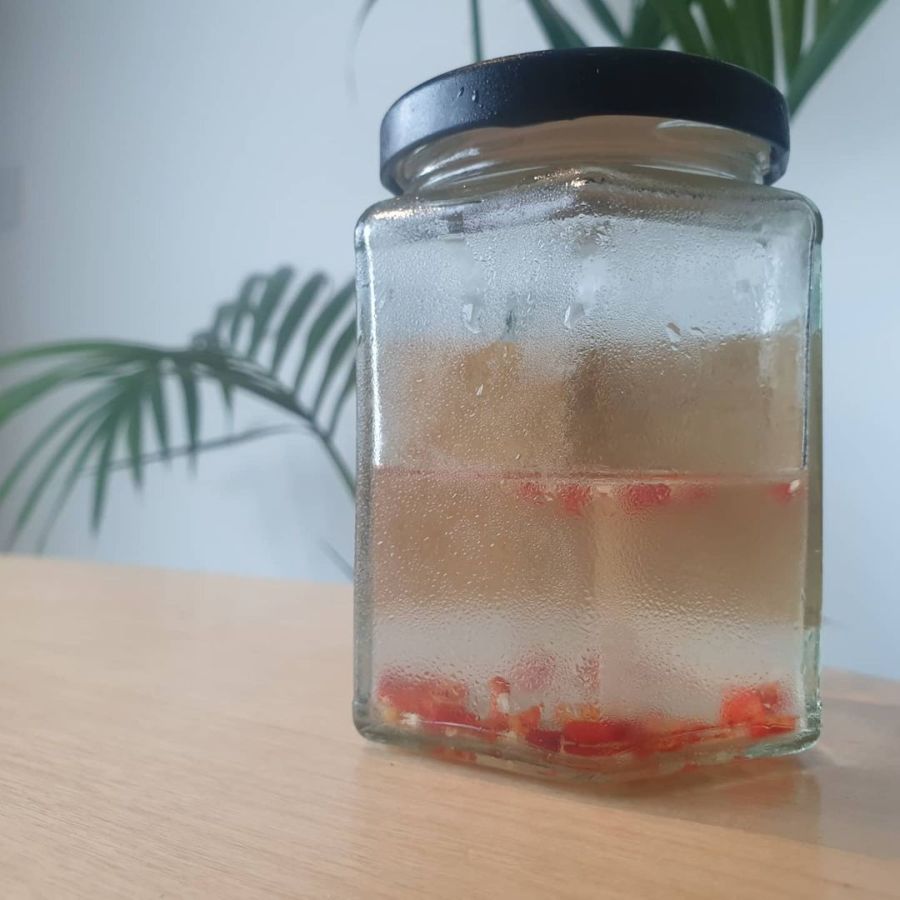
You can see one of my Kentia Palms in the background of this picture where I’m infusing gin with fresh chillies.
Ultimately, though, I think the Areca Palm is the best species for the lighting given its price, voracity and shape.

I think this is the beginning of a beautiful friendship.
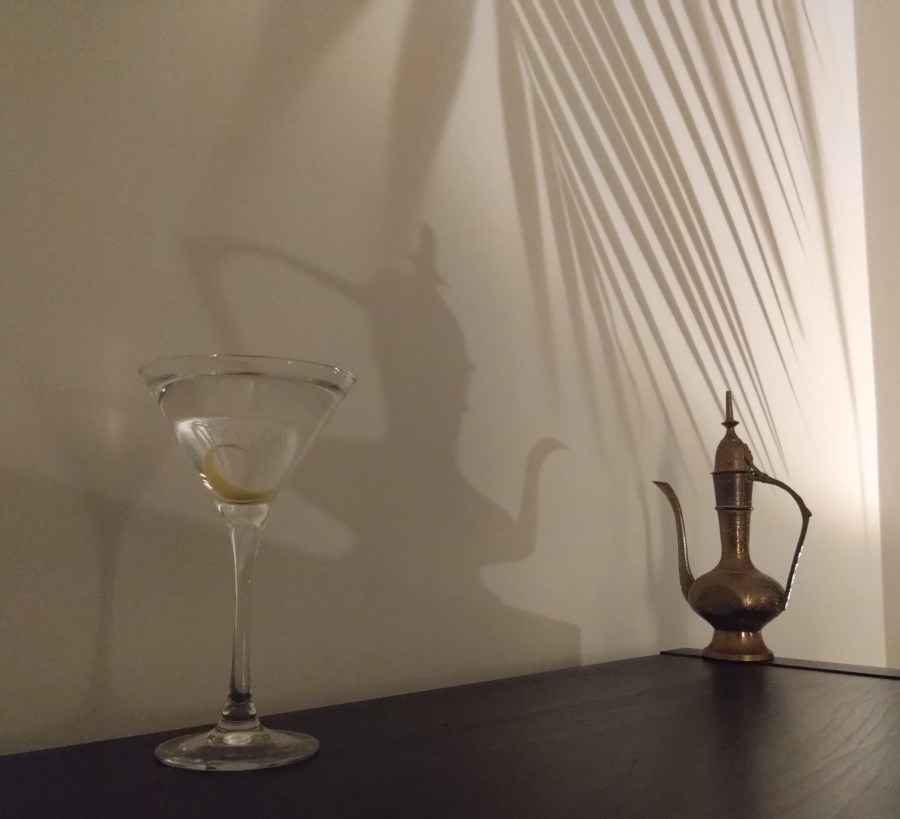
You can use all sorts of objects to cast a shadow, and I’m sure there are plenty of other plants we can experiment with. Let me know in the comments if you’ve tried anything out yourself.
Otherwise, here is a clip from Casablanca, showing some of the exquisite lighting that so characterises that film. Note the plant shadows at the start, followed by the other objects cast in the background of the Mexican chanteuse right after.
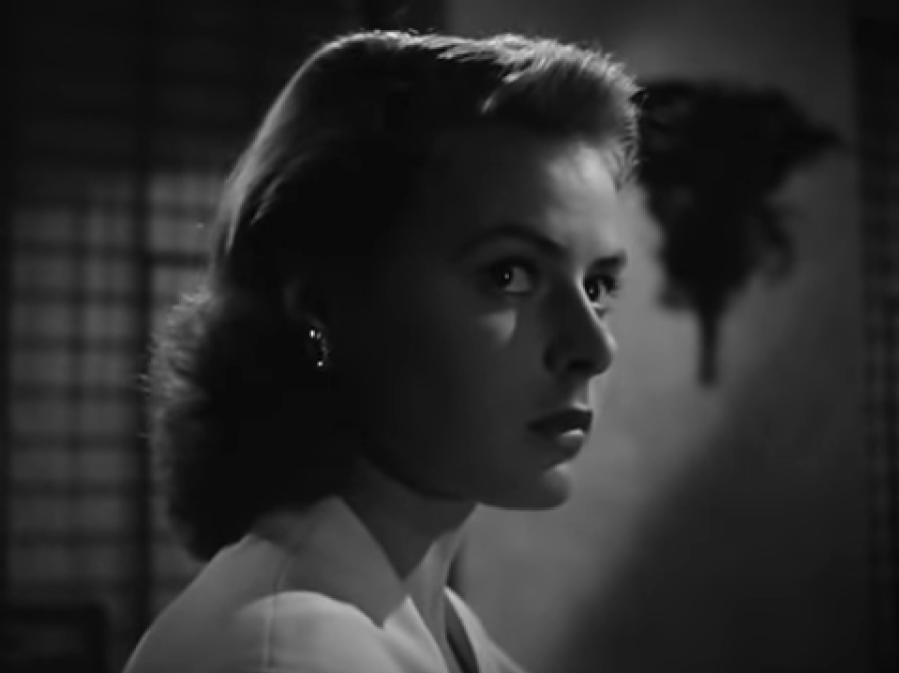
A special mention is also deserved for the moment at 47 seconds in: watch the way the light moves with slow intent under Ingrid’s eye as she turns to watch her husband take a dangerous risk by speaking to the Norwegian agent under the suspicious gaze of the Nazis.
Santé to Arthur Edeson and Michael Curtiz who directed the lighting in the film. Beautifully excellent.
 The Martini Socialist