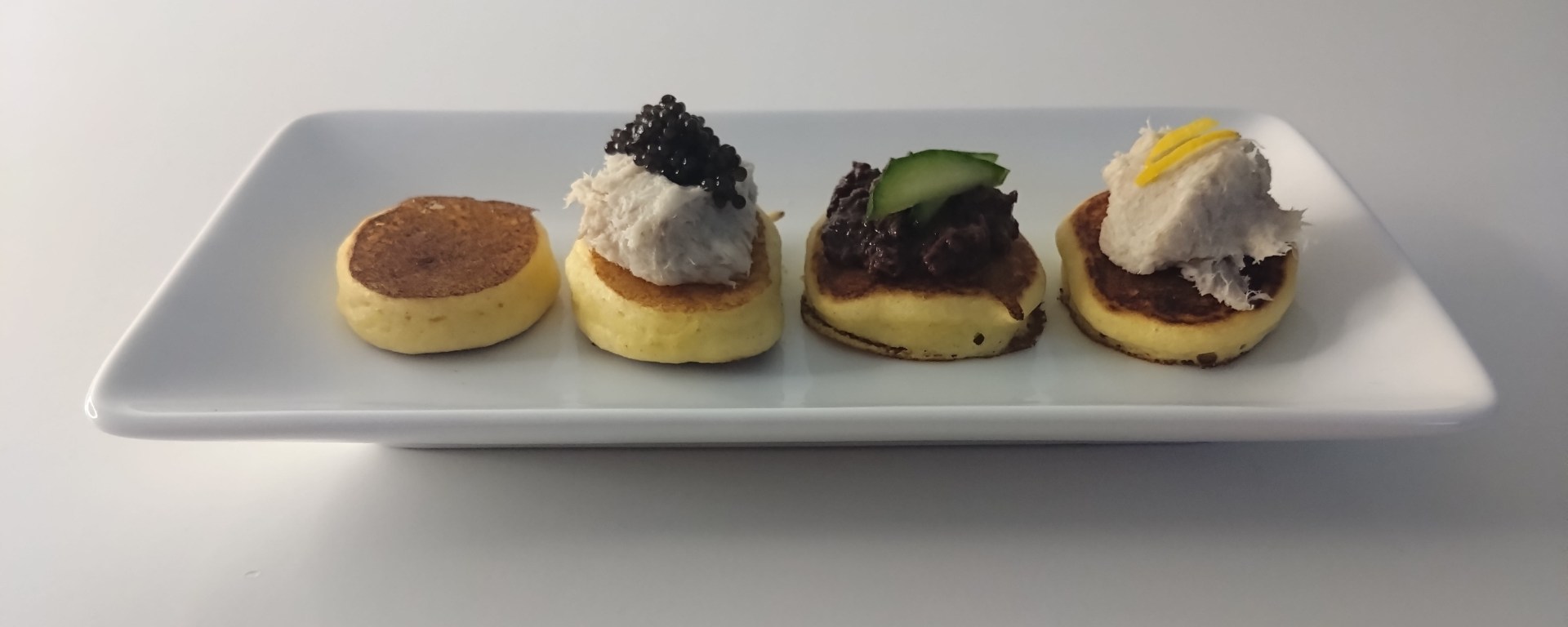
This might be a nice treat for Easter, but it works all year round. Other appropriate times of year might also include Burns Night or St. Andrew’s Day.
Drop scones are a traditional Scottish dish, soft and fluffy, but I make them smaller than normal for canapés, so they are more comparable to miniature blini. They make a very comforting base for all manner of canapé toppings.
What are Drop Scones?
You might know drop scones as scotch pancakes, but drop scones are what we normally call them in Scotland.
They are not scones, but rather a type of pancake, and usually more akin to American-style pancakes than the pancakes made elsewhere in the UK.

They are thicker than crêpes, and usually a width of up to about 14cm / 5-6 inches.
They are ideal for afternoon tea. I used to love it when my Mum made them around Pancake Day. My Aunty Katriona is also a dab hand!
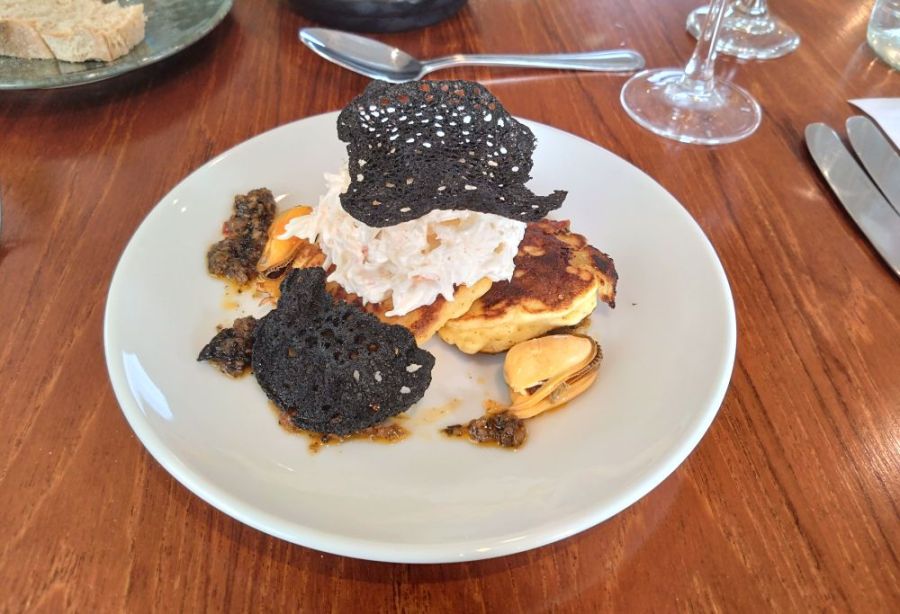
This was a fabulous drop scone dish served with crab, mussels and black tuiles at Ar Bòrd restaurant on the Isle of Mull, but they are more typically served with things like butter and jam.
The Queen and the President
Drop scones have even played a role in history and transatlantic diplomacy.
In 1960, a letter from Queen Elizabeth II arrived at the White House for President Eisenhower.

The President had recently visited the Queen at Balmoral Castle in Scotland where she had prepared him drop scones. The letter contained the recipe which she had promised to send him at the time.
The two leaders were known to have had a very close working relationship, cemented not least by their efforts during the bonding experience that was World War II.

However, it’s the little things, like the drop scones, or the fact that First Lady Mamie Eisenhower insisted on having the Royal Family stay at the White House during an official stay in the late 1950s.
This was breaking protocol because up until then, all foreign visitors stayed at nearby Blair House. It indicates a strong affinity between the two families that was above and beyond duty.
How lovely, then, that the traditional Scottish drop scone recipe played its part in the relationship.
How to Prepare the Drop Scones
I’ve used a very simple recipe, I just made the size of the rounds much smaller than normal to make them bite-size and canapé worthy.
I recommend this version from BBC Good Food although I only use a teaspoon of caster sugar for canapes so they aren’t too sweet.
You might find this recipe by Elise Bauer also interesting because she has followed Her Majesty’s instructions!
Note that you can also substitute the flour for gluten-free and it’s absolutely just as tasty!

You are also likely going to need quite a few teaspoons for the recipe, from measuring out the ingredients to topping the canapes with tasty flavours.
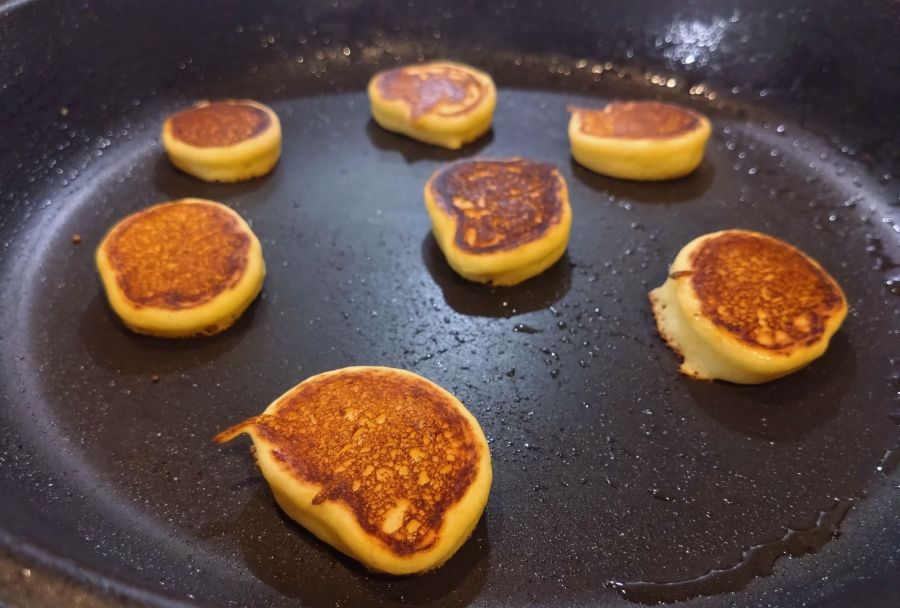
Essentially mix the dry ingredients, then mix the wet ingredients to make a batter. Heat the pan, then add the mixture in small dollops to cook.
The only other difference is that while the recipe calls for adding two tablespoons of batter to the pan for each drop scone when you’re cooking, I only use one teaspoon per round.

The cooking time is slightly less for each round in canapé size, but not by much. You might have to play around for a bit to get it right, but don’t worry, one or two burnt of misshapen rounds are totally normal.
Save the ugly ones for personal consumption and store the better ones in an airtight container until shortly before serving.
Timings
The next step is simply to prepare the rounds with toppings of your choosing. If you are confident with your cooking and preparation and feel like you can clean up the kitchen and assemble everything in time to serve up the canapés and relax with a drink, you could do all the cooking and assembly in about 30 minutes before drink o’clock. This is lovely because the drop scones will still be warm alongside your cold martini.
However, I prefer to make the drop scones a few hours in advance and keep them stored in an airtight container. This is much easier than having to prepare and clean everything just before your drinking company arrives.
If you’ve got a means of keeping the drop scones warm, perhaps wrap them in a tea towel in a dish in an oven on a very low setting or sit them on a range or by the fire until it’s serving time. Otherwise they are absolutely fine served at room temperature.
Preparing the toppings
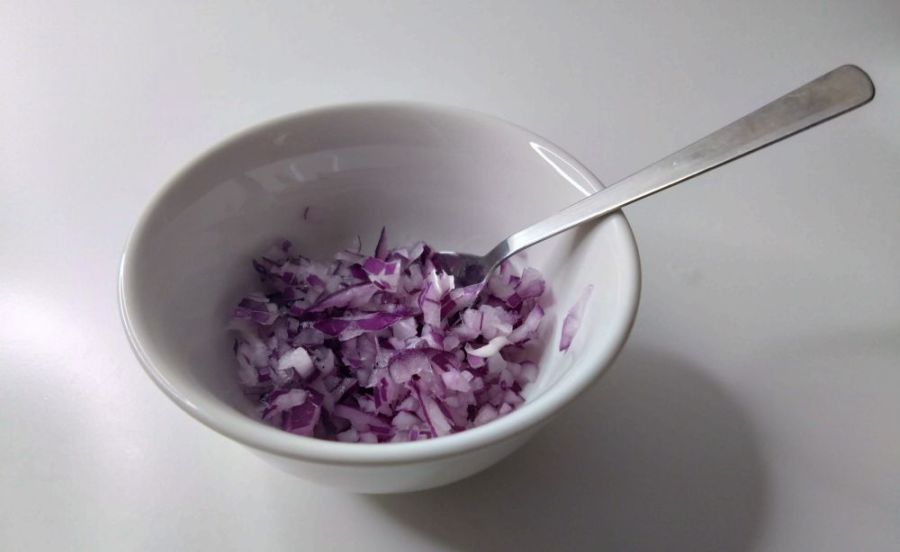
This bit is pretty easy. You can do it shortly in advance of serving your canapés (but not too long).
The canapés suit all sorts of ‘soft’ toppings such as pastes, mousse, paté or fish roe such as caviar. I particularly like taramasalata.

You can then garnish these toppings with additional flourishes such as slivers of cucumber, smoked salmon, finely diced onion, flecks of lemon zest, edible flowers, micro-herbs or all manner of other contrasting flavours and colours. Please do tag me in social media or share your own ideas in the comments below.

You can also serve the miniature drop scones ‘naked’ with toppings served on the side and let your guests help themselves.
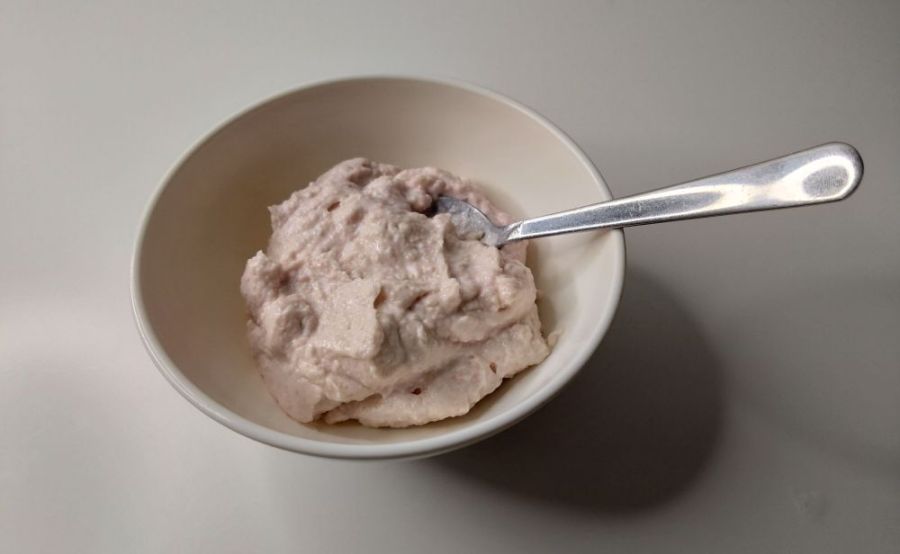
This way is pretty easy as a host and just as delicious, although preparing the canapés in advance gives them a little bit more visual flair. It’s up to you!
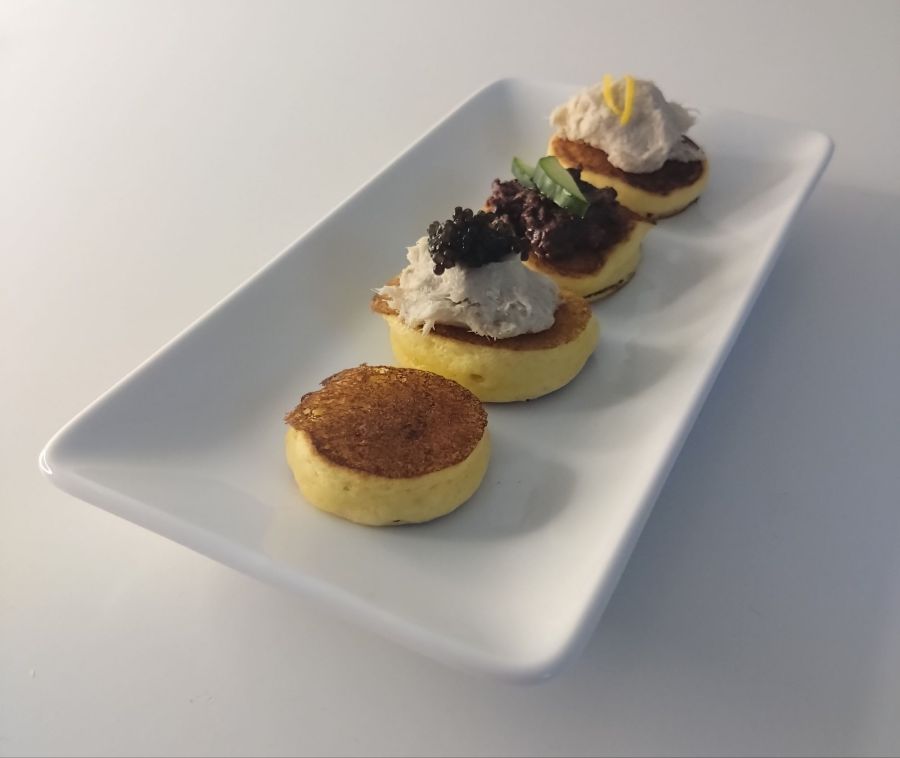
Enjoy these delicious little traditional treats and maybe raise a glass to Scotland, the Royal Family, the United States or the special relationship between Britain and America. Slàinte!
 The Martini Socialist